The Nature Identity project develops a new framework for understanding the human-nature relationship through the lens of self and nature. Rather than treating nature as a single universal idea, we examine how each person comes to define, experience, and internalize nature as part of who they are. Our aim is to ground a theory of Nature Identity that can inform how we design built environments where nature is woven into the fabric of everyday life.
Read MoreThe Urban Nature Identity Study investigates how the simple practice of noticing everyday nature shapes wellbeing, connection to nature, and our sense of what nature is. Using a two-week smartphone-based study that combines photovoice with daily check-ins, we capture how city residents notice, photograph, and make meaning of nature in their immediate surroundings. In partnership with Gehl, we aim to understand how directed noticing and design-and-technology tools can transform cities from sites of separation into spaces of reconnection between people, place, and planet.
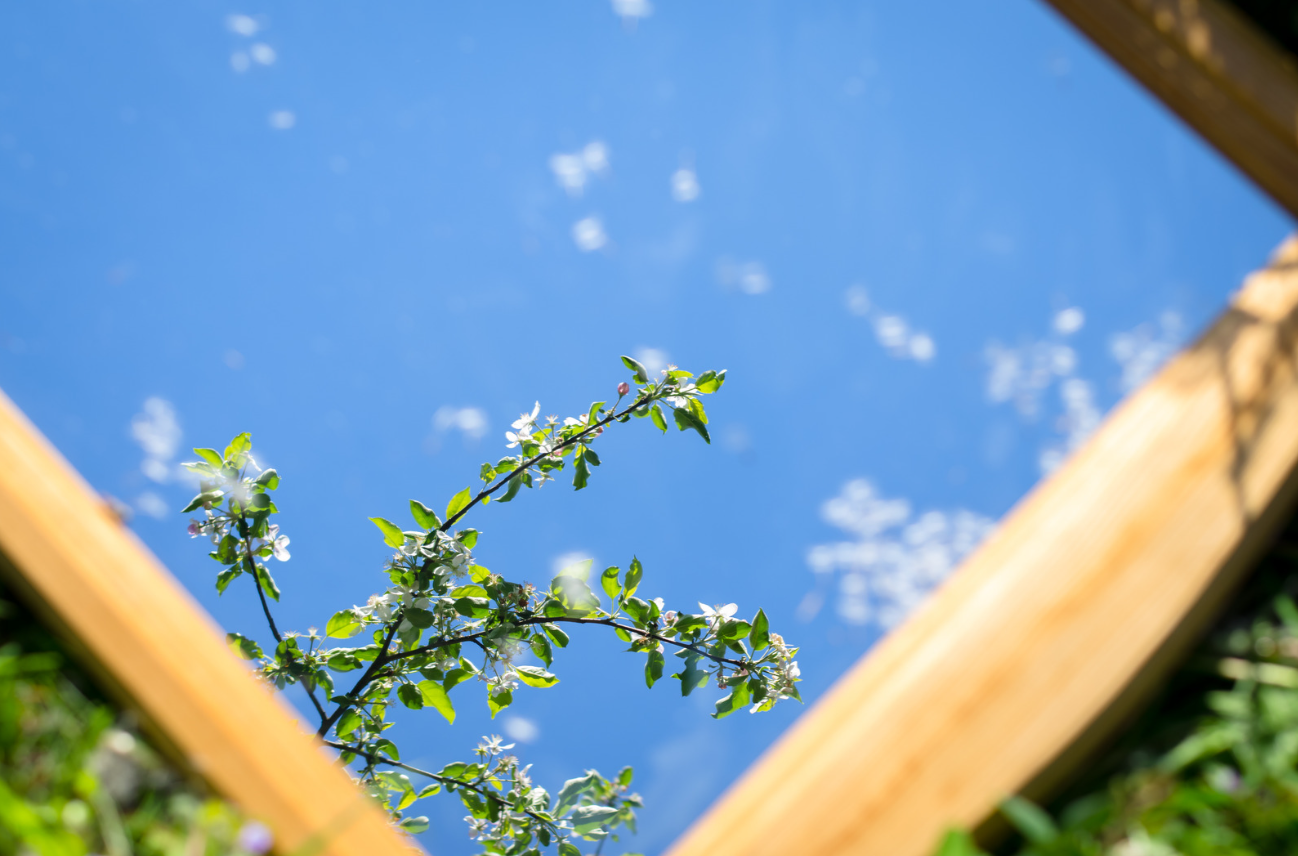
Read MoreA suite of human-centered, techno-biophilic digital-physical interventions, known as Biophilic Illusions, are being designed to enhance human-building interaction by incorporating ambient reflections of nature into built environments.
Read MoreWe are developing a novel tool adapted from prior work to quantify indoor nature dose using ray casting in 3D models of buildings. This tool is being used to explore how much and what kind of access to nature indoors best supports multiple occupant wellbeing outcomes.
Read MorePermanent supportive housing (PSH) is a type of housing designed to house and support formerly unhoused or low-income individuals. We are assessing the impact of built features, particularly features that promote greater connection to nature, on the stress and sense of belonging of PSH residents.
Read MoreThe outdoor views provided by windows has been shown to positively impact cognitive performance, emotional wellbeing, recovery, and overall satisfaction with the built environment. This project explores the impact of view out on the wellbeing of elderly residents in an affordable housing building in San Francisco.
Read MoreWe conducted a longitudinal study over four time points between December 2020 and March 2023 to gather insights into how the built features and environmental factors in remote workers’ homes impacted their perception of time, belonging at work, stress, and pro-environmental behavior.
Read More