
What Is "Nature"? Rethinking the Self–Nature Relationship Through Nature Identity
Project summary
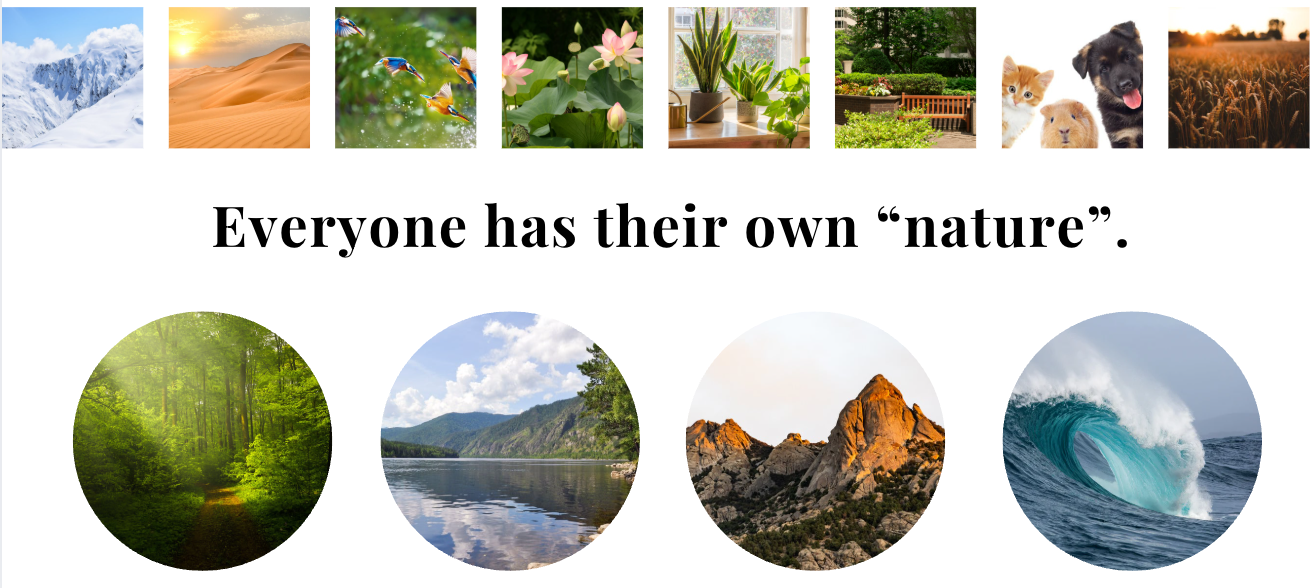
Amid accelerating urbanization and environmental fragmentation, our connectedness with nature is increasingly strained, yet increasingly vital. This project begins with a deceptively simple question: what is the nature we are connecting to? Rather than a single, universal idea of nature, each person holds their own understanding and experience of it, and this shapes how they connect along with the behaviors and benefits that follow.
Beyond individual attitudes or behaviors, this inquiry reaches into the foundations of how we design and govern cities, shaping what it means to build flourishing urban environments where people and ecosystems thrive together.
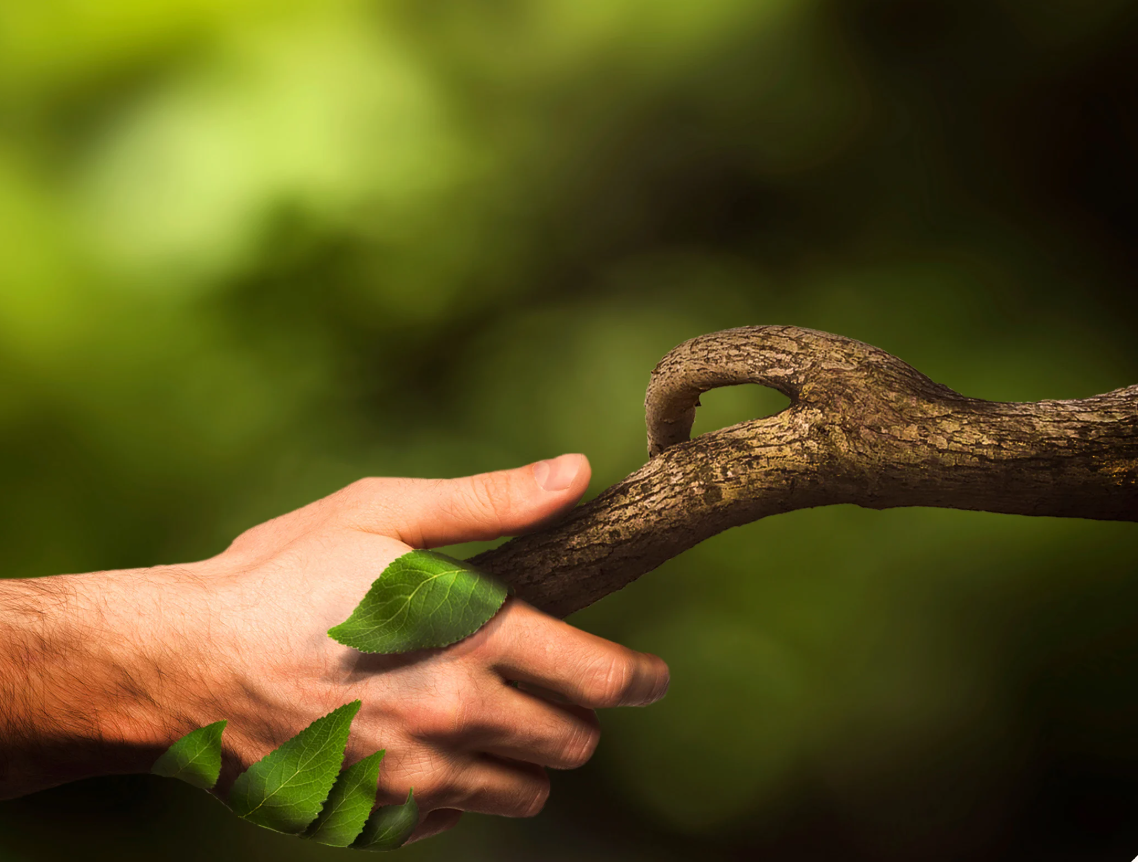
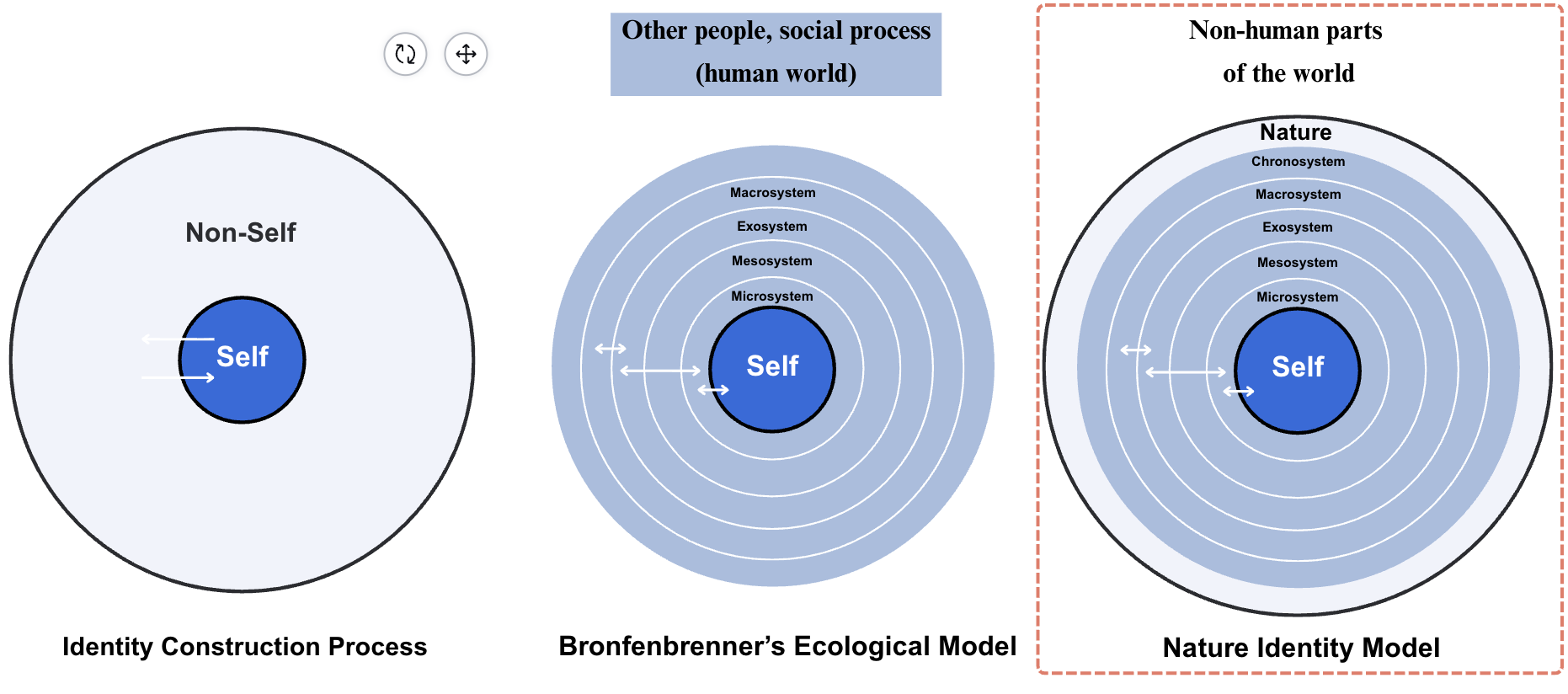
At its core is the emerging framework of Nature Identity, proposed by Flora Jiaxuan Xu, which reframes the “human-nature relationship” through a lens of “self and nature”. It explores how individuals construct their sense of self not only through social and cultural ties, but also through the non-human world that shapes, mirrors, and sustains them. In this view, nature is not a backdrop but a co-creator of identity, a living presence through which the boundaries between self and environment blur and reciprocate. The project develops this idea through theoretical articulation and empirical grounding, drawing on in-depth qualitative interviews to trace how people develop a sense of nature in the self, and a sense of self in nature.
Driving questions
How do individuals define, experience, and internalize nature as part of the self?
What does "nature" mean to us, and how do we come to know what is nature?
What factors shape how a sense of nature takes root in the self over time?
Through semi-structured interviews exploring personal stories and lived experiences, this project examines how people construct their sense of self in relation to the non-human world, and how perception, emotion, and meaning-making arise through encounters with nature to shape wellbeing, belonging, and ecological consciousness across the developmental trajectory.
Progress
Early analyses suggest that Nature Identity is best understood not as a fixed trait but as a dynamic, relational process through which self and nature continuously co-shape one another over time.
It appears to unfold through evolving pathways of experience, knowledge, routine, memory, social connection, and self-reflection, shaped by both immediate environments and broader sociocultural framings. Sensory encounters, cultural meanings, and everyday practices seem to weave together into a fabric of perception and belonging in which nature becomes part of the self, and the self finds meaning through nature.
Qualitative coding has surfaced a set of recurring patterns and themes, and a manuscript is currently in development.
Publications
Stay tuned for the full paper to learn more!
Project team
This project is in collaboration with the Stanford Social Ecology Lab (SEL). Researchers involved:
Flora Jiaxuan Xu, PhD Candidate, E-IPER Program
Prof. Nicole M. Ardoin (SEL), Environmental Social Sciences
Prof. Sarah L. Billington, CEE
Dr. Alison W. Bowers (SEL), Environmental Social Sciences